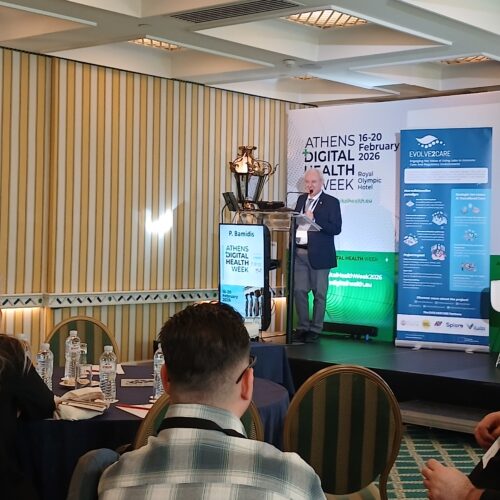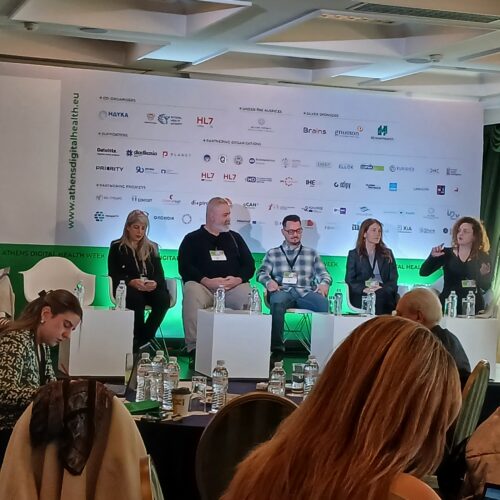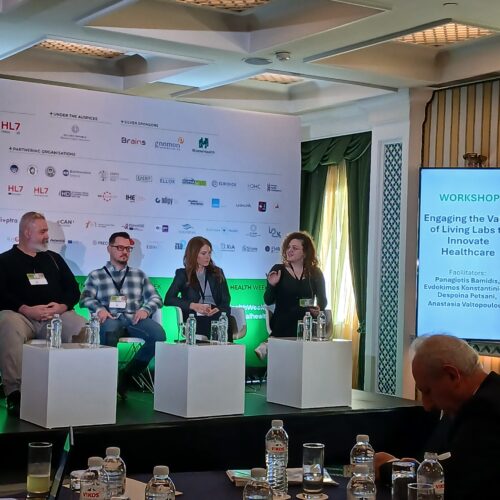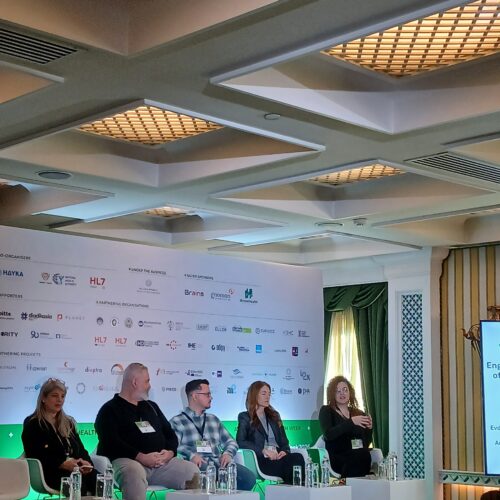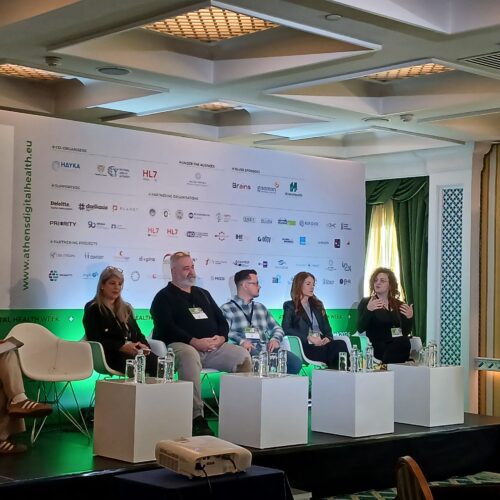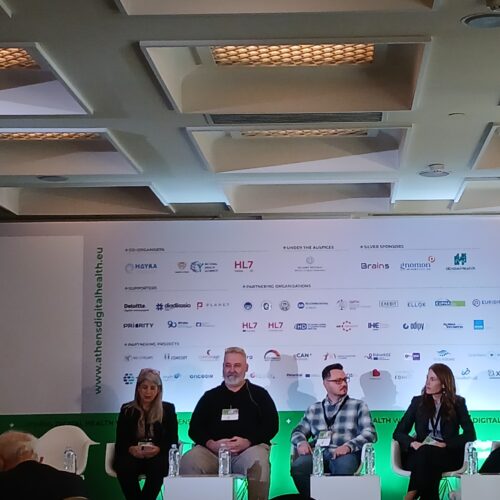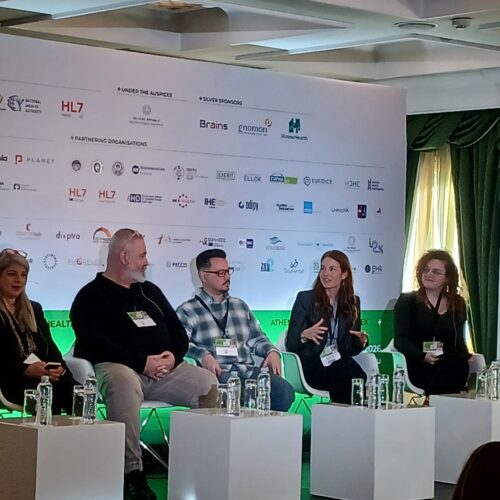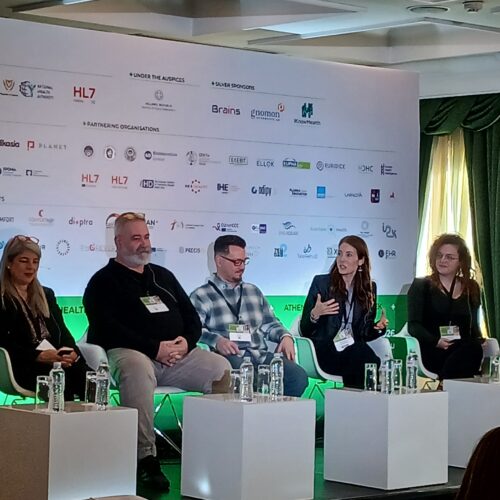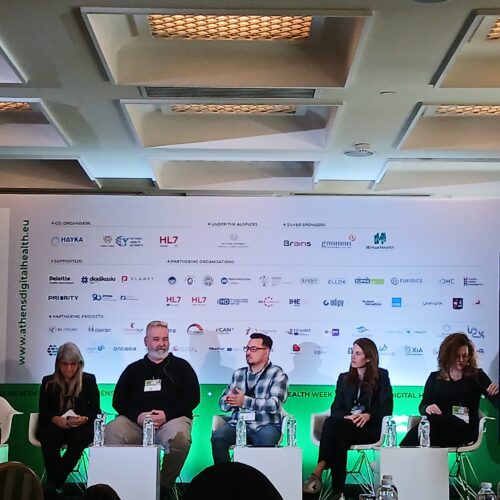

Organised by the EVOLVE2CARE project in the context of Athens Digital Health Week 2026, the workshop “Engaging the Value of Living Labs to Innovate Healthcare” took place on 18 February and was chaired by Despoina Petsani, Project Mission Coordinator (AUTH). The session convened innovators, researchers, and ecosystem actors to examine a pressing question in HealthTech: how can promising digital solutions successfully transition from pilot testing to routine clinical practice?
Rather than focusing solely on the generation of new technologies, the discussion addressed the structural and operational barriers that prevent digital health innovations from scaling within real healthcare environments. Speakers highlighted a persistent misalignment between technological development and clinical realities. Digital tools frequently struggle to integrate into established workflows, while regulatory complexity, GDPR compliance, interoperability limitations, and fragmented stakeholder collaboration continue to slow adoption . This creates tension between rapid technological advancement and the healthcare sector’s demand for rigorous validation and governance, often resulting in solutions that are technically robust but operationally stalled.
Spyridoula Trakaki emphasised that startups commonly face systemic barriers to market entry and underscored the importance of open innovation ecosystems in overcoming fragmentation and accelerating uptake. Complementing this perspective, Konstantina Kostopoulou, Chief Product Owner of the Healthentia App, shared practical insights into integration pain points during experimentation, particularly around stakeholder engagement and the initial reactions of clinicians and third parties to new digital tools . Her intervention reinforced the idea that adoption depends not only on technological robustness but also on early trust-building and alignment with end-user expectations.
From a service design standpoint, Thanos Loules and Ilias Rafail of IASIS AMKE explored the challenges of developing inclusive services while maintaining active citizen engagement throughout the experimentation process . They stressed that meaningful co-creation requires sustained involvement rather than superficial consultation. Dr. Angelina Kouroubali further addressed the delicate balance between thorough research and the urgency to bring solutions to market, suggesting that structured experimentation frameworks can reconcile scientific rigor with innovation speed .
Across contributions, Living Labs emerged as a strategic integration mechanism. By enabling structured testing within authentic care settings, they reduce deployment risks, strengthen collaboration among stakeholders, and generate the field-based validation required for broader adoption . Rather than positioning digital tools as external add-ons, Living Labs facilitate their evolution into embedded components of care delivery systems.
The workshop ultimately underscored that sustainable healthcare transformation depends on aligning fast-moving innovation cycles with the operational and regulatory realities of the care sector. Through open ecosystems and Living Lab methodologies, stakeholders can bridge this divide—ensuring that digital health innovations are interoperable, credible, and capable of delivering measurable value in real-world clinical settings .