HealthTech innovation rarely fails because of a lack of ideas.
More often, it fails in the space between testing and adoption.
Many promising solutions perform well in pilot environments but struggle to scale, integrate into real healthcare settings, or gain long-term acceptance. The challenge is not proving that a technology works. The real challenge is proving that it is ready.
At EVOLVE2CARE, readiness is understood as a multi-dimensional journey, rather than just a final checkbox. Real-world deployment depends on whether solutions can respond to the practical, organisational, social, and regulatory realities of transitional care.
This blog builds on insights from Deliverable D1.2 – Stakeholder Needs Analysis and KPI Framework, which is publicly available and provides a deeper look into what makes HealthTech solutions ready for real-world deployment.
Why successful pilots don’t always lead to adoption
Testing a HealthTech solution in isolation can demonstrate technical feasibility, but real-world healthcare environments are far more complex.
Healthcare professionals operate under time pressure, fragmented systems, and strict accountability requirements. Hospitals must ensure that new solutions integrate smoothly into existing workflows without increasing workload or disrupting care delivery. Patients and caregivers need technologies that are understandable, usable, and supportive.
When these realities are not addressed early, innovations risk remaining “pilot-ready” but not system-ready.
Readiness starts with real-world relevance
A solution is ready for adoption when it demonstrates value where care actually happens.
Real-life experimentation helps innovators understand whether their solutions:
- integrate into existing digital and organisational infrastructures
- reduce administrative burden instead of adding complexity
- support clinical decision-making in meaningful ways
- improve patient experience, continuity of care, and outcomes
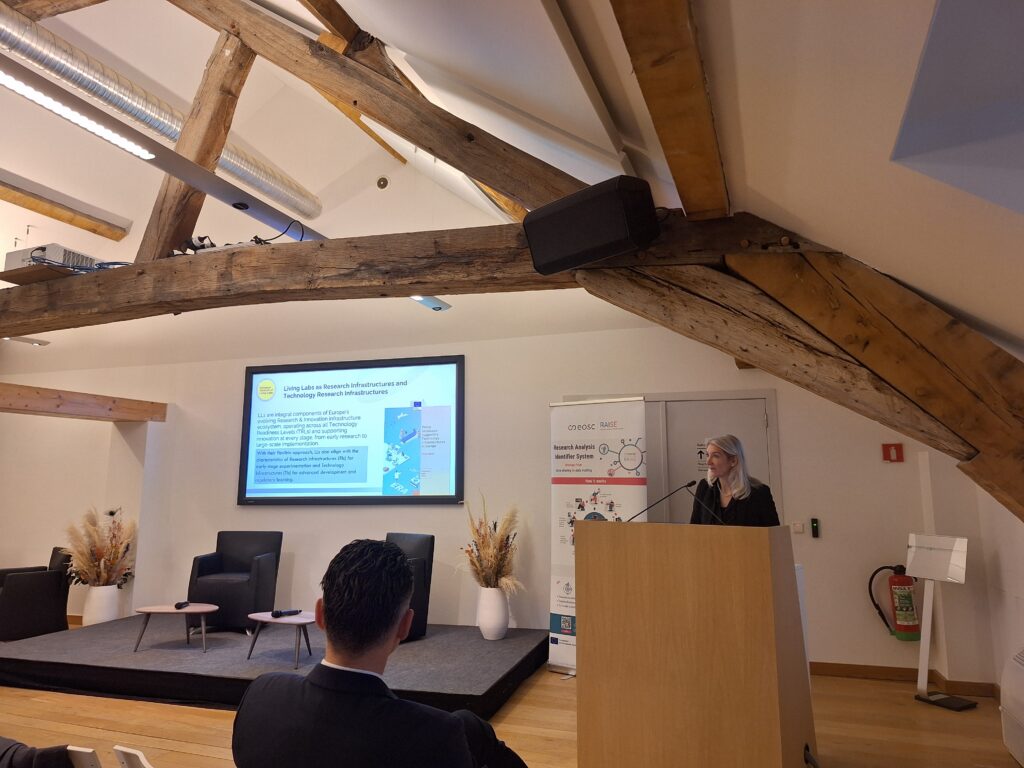
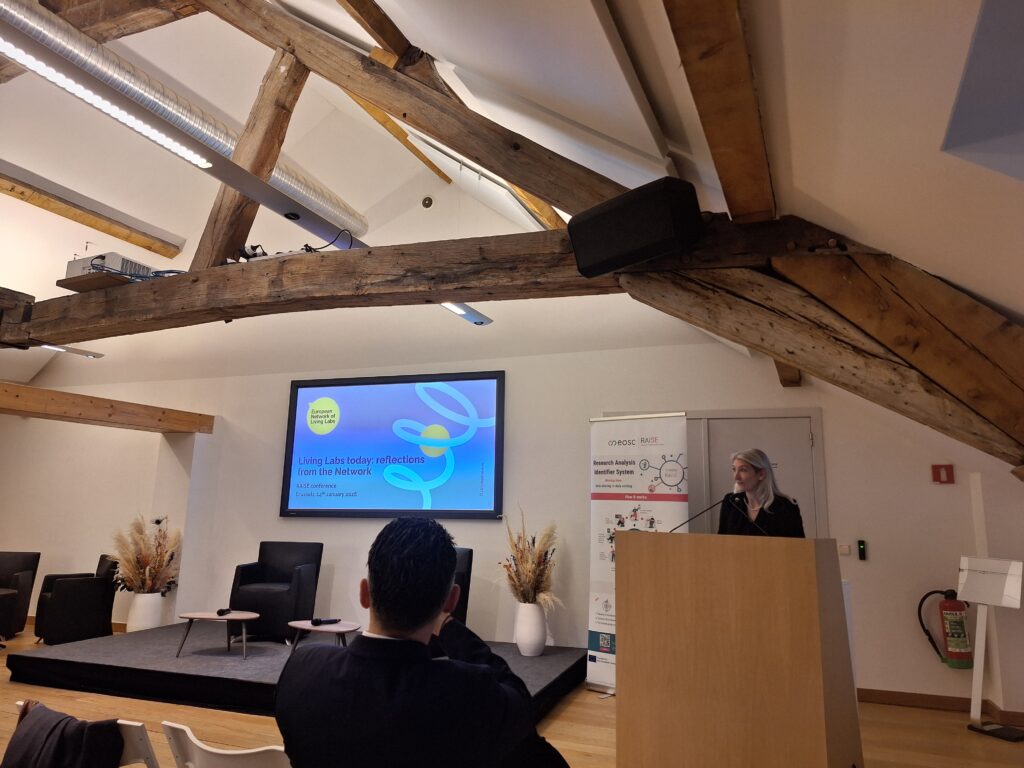
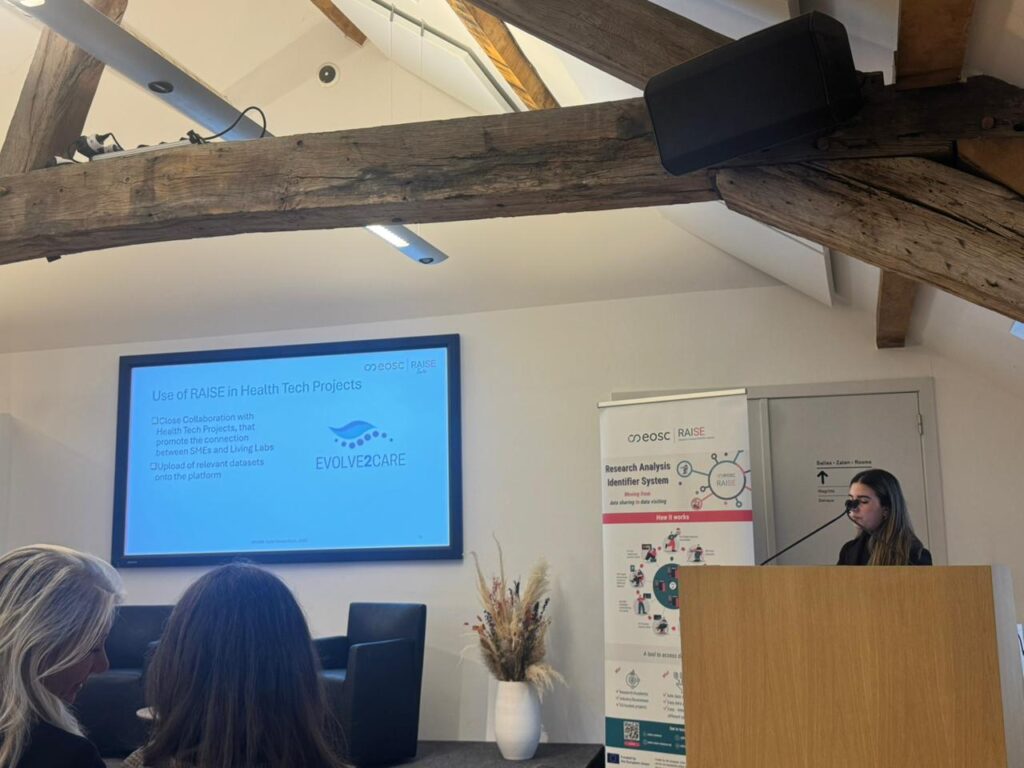
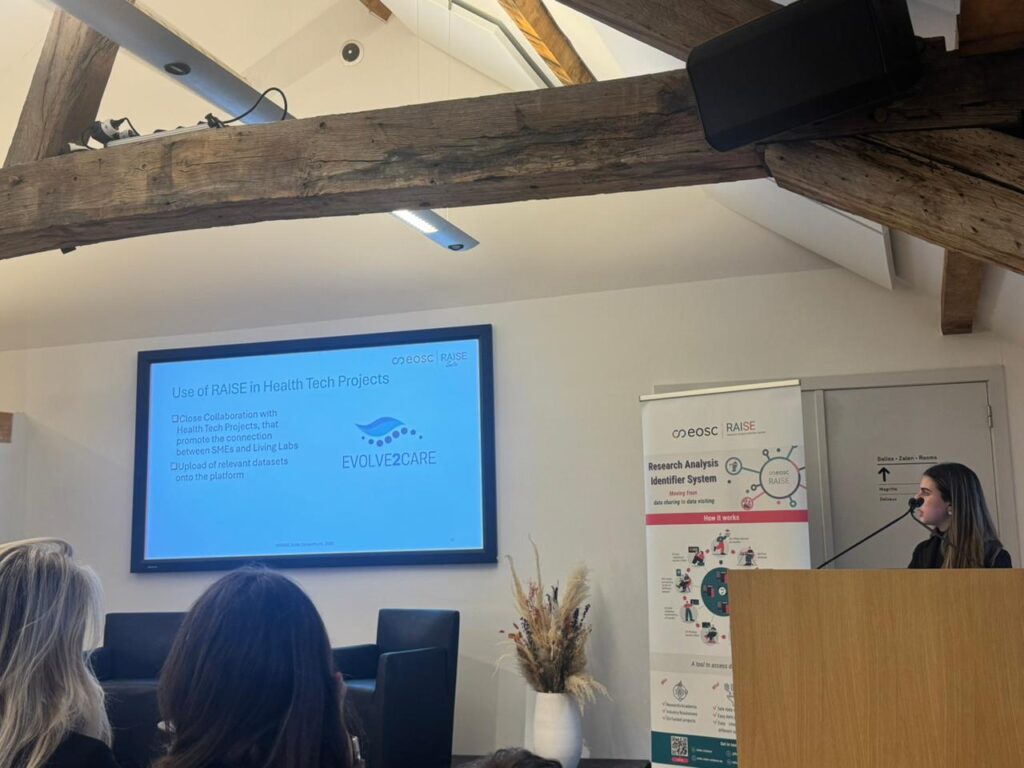
Living Labs play a critical role here by offering environments where innovations can be tested under realistic conditions, involving healthcare professionals, patients, caregivers, and organisations from the outset. This early exposure allows innovators to identify gaps, refine features, and adapt their solutions long before large-scale deployment.
Scaling requires more than technical performance
Moving beyond pilots requires attention to scale, sustainability, and long-term viability.
Healthcare organisations increasingly expect evidence that innovations are:
- cost-effective and operationally efficient
- adaptable to different care settings and regions
- supported by training and knowledge transfer
- aligned with broader health system goals
Regulatory preparedness as part of readiness
Regulatory compliance is often addressed late in the innovation process, creating delays and costly redesigns. However, readiness for deployment also means regulatory readiness.
Testing solutions in real-world settings helps innovators:
- understand how regulations apply in practice
- identify compliance challenges early
- align development choices with safety, privacy, and legal requirements
Human-centred adoption
Readiness is ultimately about people.
Patients and caregivers have highlighted the importance of preserving human connection, clarity, and trust when digital solutions are introduced. Healthcare professionals have stressed the need for tools that support their expertise. Care organisations seek solutions that align with their operational realities.
Real-life experimentation allows these perspectives to shape innovation, ensuring that adoption is not forced, but earned through relevance and usability.
EVOLVE2CARE’s work on stakeholder needs and experimentation offers further insight into how readiness can be approached systematically across the HealthTech ecosystem. Readers interested in the methodological foundations behind this approach can further explore our public Deliverable D1.2 – Stakeholder Needs Analysis and KPI Framework.