
As digital health ecosystems become increasingly interconnected, the need for trustworthy, accessible, and interoperable data is more important than ever. Addressing this challenge, EVOLVE2CARE and RAISE-SUITE joined forces on 11 June 2026 to deliver the first session of the EVOLVE2CARE Joint Webinar Series, “Connecting the Dots in Transitional Care: Open, Trusted & Interoperable Care.”
The webinar, titled “Impact and Use of Open Science in Transitional Care,” brought together researchers, innovators, Living Labs, policymakers, and healthcare stakeholders to discuss how Open Science principles can support collaboration, innovation, and evidence-based decision-making across healthcare systems.
🎥 Missed the webinar or would like to revisit the discussion?
Watch the full recording here:
Open Science as a Driver of Healthcare Innovation
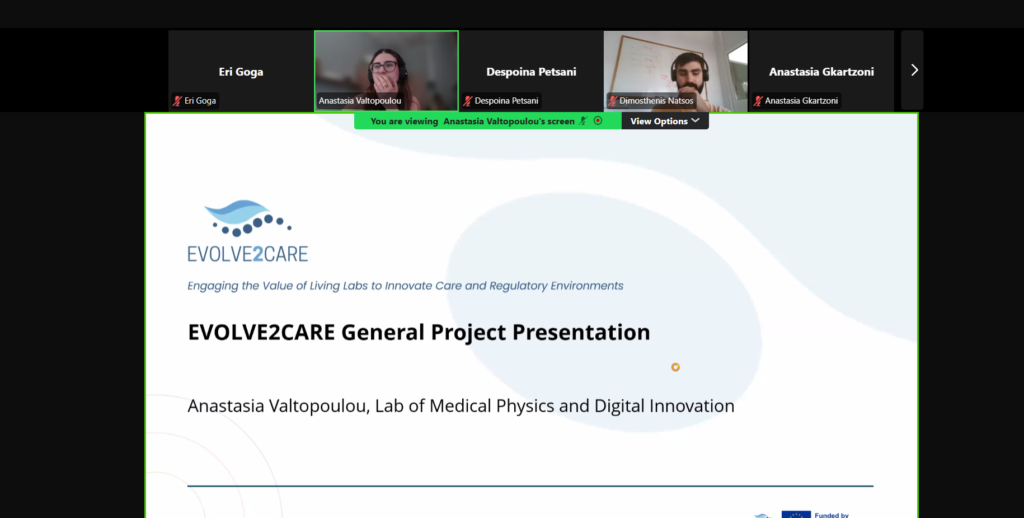
The session opened with an introduction to the EVOLVE2CARE project by the Laboratory of Medical Physics and Digital Innovation of the Aristotle University of Thessaloniki (AUTH). The presentation highlighted the project’s mission to standardize HealthTech experimentation practices and strengthen collaboration between innovators, Living Labs, healthcare providers, and end users.
A key message of the webinar was that successful healthcare innovation requires more than technological development. It also depends on the ability to share knowledge, collaborate across disciplines, and ensure that data can be accessed and reused responsibly throughout the innovation lifecycle.
FAIR Data and Responsible Data Sharing in Practice
The webinar’s featured speaker, Dimosthenis Natsos, Security R&D Engineer at Cyclopt, explored the role of Open Science and FAIR (Findable, Accessible, Interoperable, and Reusable) data practices in supporting digital health innovation.
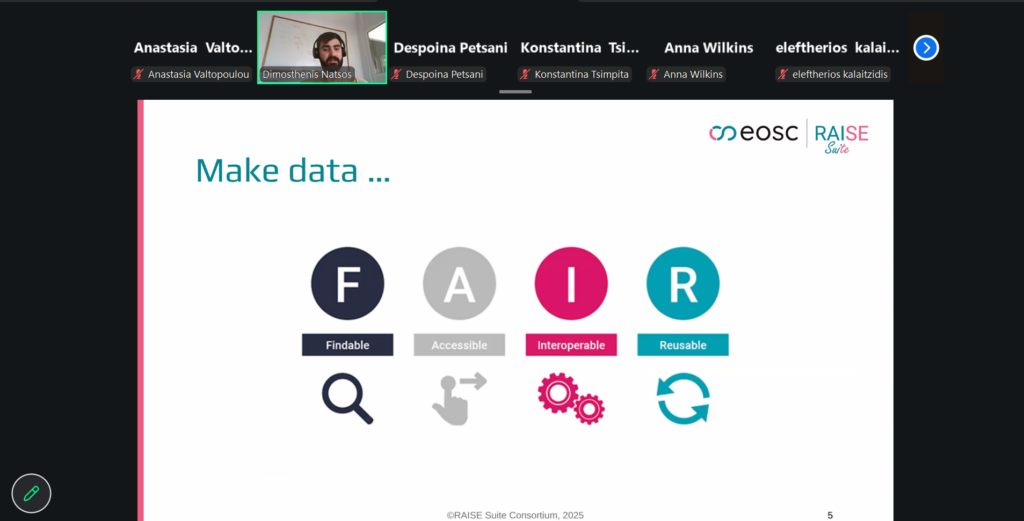
The presentation highlighted why researchers and innovators should adopt FAIR principles to improve the discoverability, accessibility, and reuse of research data. At the same time, it emphasized the importance of balancing openness with privacy, security, and ethical considerations, particularly when handling sensitive health-related information.
A central message was that while data sharing can accelerate scientific discovery and innovation, it must be supported by appropriate governance frameworks, robust safeguards, and responsible data management practices to maintain trust and ensure compliance with regulatory requirements.
From Principles to Practice
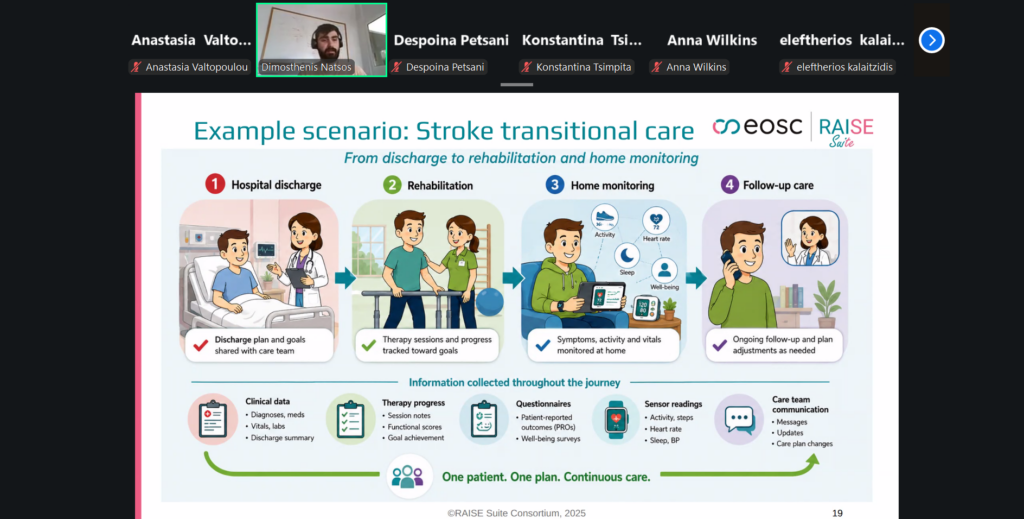
To illustrate these concepts, the webinar presented practical examples of how Open Science and FAIR data approaches can support transitional care innovation.
The discussion demonstrated how structured data management, privacy-by-design methodologies, and interoperable data infrastructures can improve collaboration between healthcare providers, researchers, and innovators. These approaches can ultimately contribute to more informed decision-making, stronger evidence generation, and better outcomes for both patients and caregivers.
For EVOLVE2CARE, these principles are particularly relevant as the project supports HealthTech innovators through Living Lab experimentation, real-world validation activities, and collaborative innovation ecosystems.
Strengthening European Collaboration
The webinar also demonstrated the value of collaboration between European research and innovation initiatives working towards more open, trusted, and interoperable healthcare systems.
By bringing together expertise from different projects and communities, the session created an opportunity to exchange knowledge on Open Science, FAIR data practices, and digital health innovation. The discussion highlighted how collaboration across projects can help address common challenges related to data sharing, interoperability, and innovation adoption.
As the first event of the “Connecting the Dots in Transitional Care” webinar series, the session provided valuable insights for innovators, Living Labs, researchers, policymakers, and healthcare stakeholders seeking to navigate the rapidly evolving digital health landscape.