EVOLVE2CARE Workshop at Athens Digital Health Week 2026

EVOLVE2CARE will participate in Athens Digital Health Week 2026 (ADHW2026) with a dedicated workshop titled:

“Engaging the Value of Living Labs to Innovate Healthcare”

📍 Royal Olympic Hotel, Athens
📅 Wednesday, 18 February 2026
🕙 10:00–11:30 | Kallirhoe Hall

About Athens Digital Health Week 2026

Taking place from 16–20 February 2026, ADHW2026 brings together leading experts, innovators, policymakers, and decision-makers to address critical challenges and showcase breakthrough advancements shaping the future of digital health across Europe and beyond.

Co-organised by IDIKA S.A., the National eHealth Authority (NeHA) of Cyprus, and HL7 Hellas, the event serves as a high-profile networking hub where European projects, governance bodies, and digital health stakeholders connect to accelerate healthcare transformation across Europe.

Workshop Overview

Digital health innovation often encounters significant barriers, including regulatory complexity, interoperability limitations, misalignment with real clinical and user needs, financial constraints, and fragmented stakeholder collaboration.

This EVOLVE2CARE workshop will explore how Living Labs and open innovation ecosystems can help address these challenges by:

  • Strengthening stakeholder engagement
  • Supporting user-centred design
  • Facilitating real-world experimentation
  • Accelerating the translation of innovation into clinical practice

The session will combine theoretical reflections with practical insights drawn from real-world experiences of innovators, clinicians, and ecosystem actors.

Panel Discussion

The workshop will feature short expert interventions from key stakeholders across the digital health ecosystem:

  • Spyridoula Trakaki, Co-Founder of Kakushin, will discuss the main challenges startups face in digital health and reflect on how open innovation ecosystems can create added value for emerging HealthTech ventures.
  • Konstantina Kostopoulou, Chief Product Owner of Healthentia App, will share practical insights on stakeholder integration challenges during experimentation and how clinicians and third parties initially responded to innovation adoption.
  • Thanos Loules & Ilias Rafail (IASIS AMKE) will explore service design challenges in health innovation and discuss how citizens can be meaningfully engaged throughout the experimentation process.
  • Dr. Angelina Kouroubali, Digital Health Expert, will address stakeholder engagement pain points and examine how innovators can balance rigorous research and validation with the urgency of bringing solutions to market.
  • Prof. Dr. Vassilis Vasilikos, Cardiologist, will provide the clinician’s perspective on innovation adoption, highlighting common barriers in clinical practice, nparticularly in cardiology, and attitudes toward integrating digital solutions into healthcare settings.

The session will conclude with an open discussion on how Living Labs can strengthen collaboration, enhance experimentation processes, and accelerate the translation of digital health innovation into sustainable real-world impact.

The workshop will be facilitated by the EVOLVE2CARE coordinator team from Aristotle University of Thessaloniki (AUTH).

🔗 Registration is required:
https://www.athensdigitalhealth.eu/registration

EVOLVE2CARE Contributes to Open Science at the ManagiDiTH Winter School 2026

EVOLVE2CARE was featured during the ManagiDiTH Winter School and Innovation Bootcamp 2026, held in Finland from 26–30 January 2026, an intensive five-day programme combining innovation, entrepreneurship, and hands-on collaboration in the field of digital health.

The Winter School brought together students, researchers, enterprises, and academic partners to explore innovative health technologies through keynote sessions, teamwork, ideation, prototyping, and final concept presentations. Activities focused on bridging academic knowledge with real-world healthcare challenges, encouraging interdisciplinary collaboration and practical experimentation.

During the programme, Aristotle University of Thessaloniki (AUTH) presented EVOLVE2CARE as a concrete example of a European HealthTech project supporting Living Lab–based experimentation and Open Science practices. The presentation highlighted how EVOLVE2CARE contributes to transparent and responsible innovation in transitional care, while actively engaging with Open Science principles.

In particular, AUTH showcased the use of the RAISE platform for uploading and managing datasets generated through Living Lab activities, demonstrating how EVOLVE2CARE supports FAIR data practices and enables responsible data sharing across collaborative research environments.

Through its presence at the Winter School, EVOLVE2CARE strengthened its visibility within academic and innovation communities, while reinforcing its mission to support human-centred, data-aware HealthTech solutions that can be tested and refined in real-life settings.

EVOLVE2CARE Featured at the RAISE Final Event in Brussels

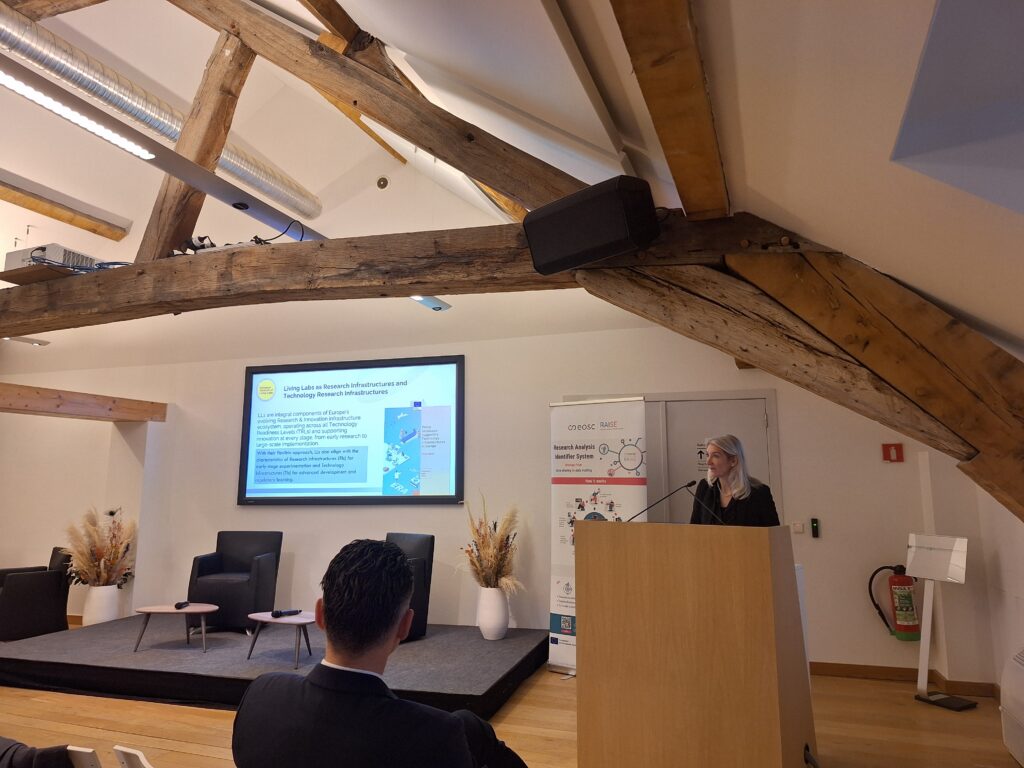
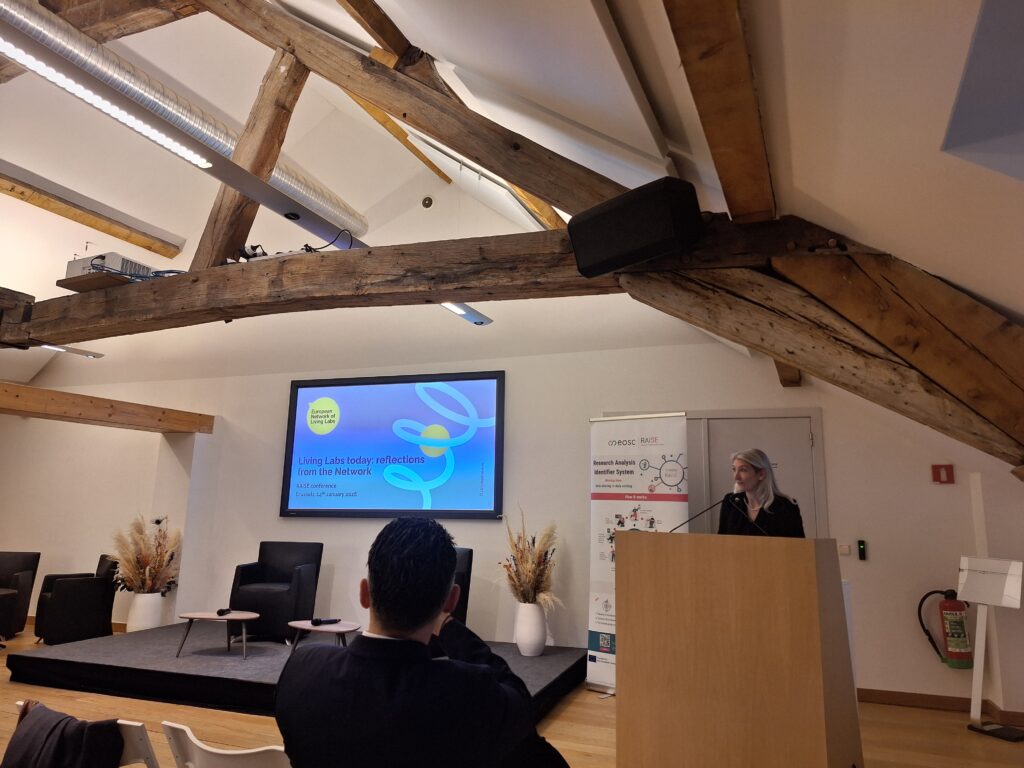
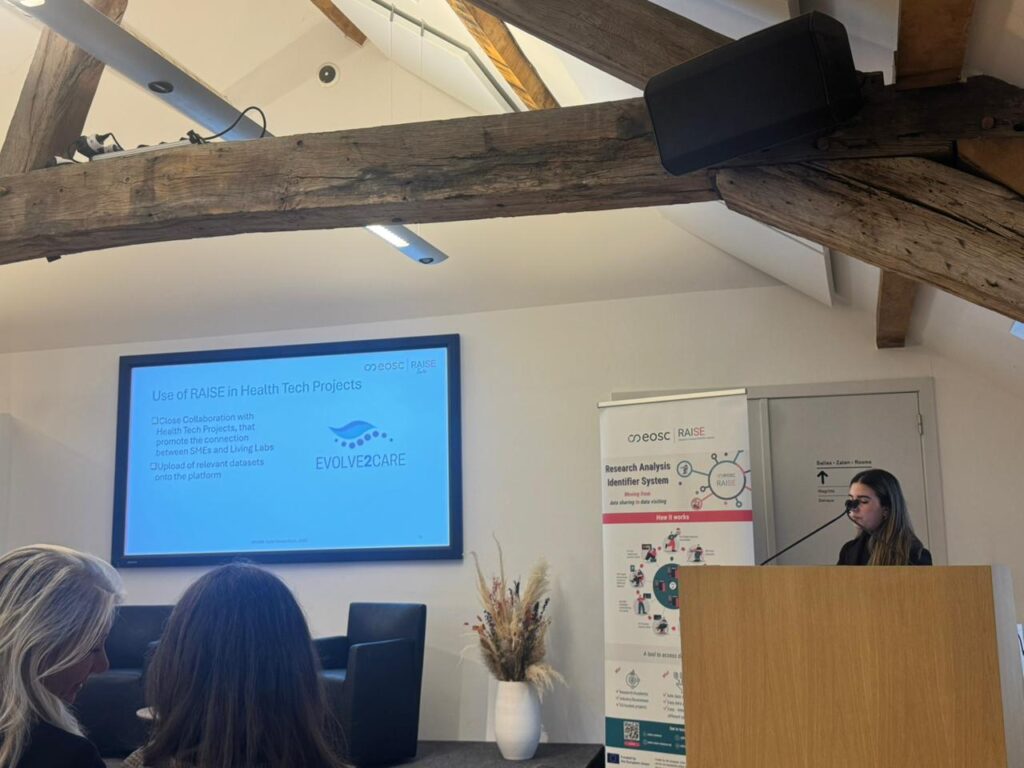
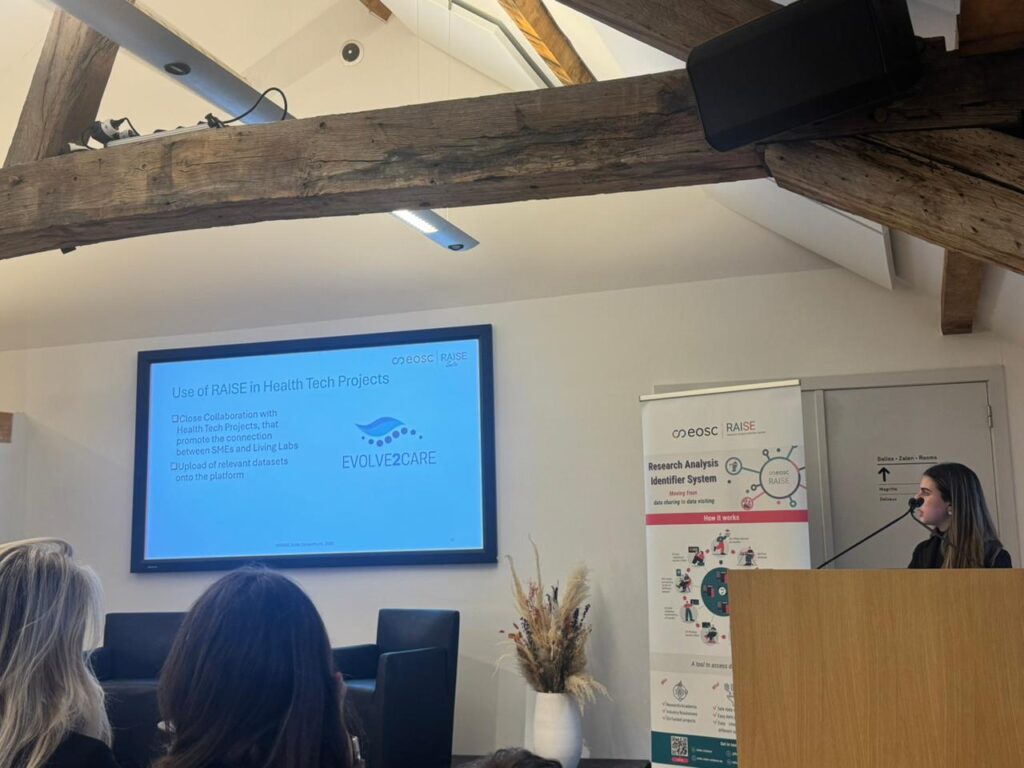
EVOLVE2CARE was featured during the RAISE Final Event – “Exploitable Results and their Impact”, held on 14 January 2026 in Brussels, as part of the midday session dedicated to the adoption of RAISE beyond project boundaries. The event brought together European research, Living Lab, and Open Science stakeholders to discuss how RAISE supports FAIR, harmonised, and transparent data use across third-party initiatives and collaborative ecosystems.

During the session, EVOLVE2CARE was presented by AUTH and ENoLL partners as a concrete example of a HealthTech project leveraging RAISE functionalities to align with Open Science and Open Data principles, particularly in the context of Living Lab activities. The presentation highlighted how EVOLVE2CARE exploits RAISE to support structured data management, facilitate collaboration between SMEs and Living Labs, and ensure FAIR handling of data generated through real-world experimentation.

The project’s contribution was positioned within a broader discussion involving Living Labs and European networks adopting RAISE to enable interoperable, trustworthy, and reusable research outputs. This visibility further reinforced EVOLVE2CARE’s role as an active adopter of EOSC-aligned tools and practices, strengthening its engagement with European Open Science infrastructures and sister EU initiatives.

One-year EVOLVE2CARE project: Highlights from the 3rd Virtual Plenary Meeting

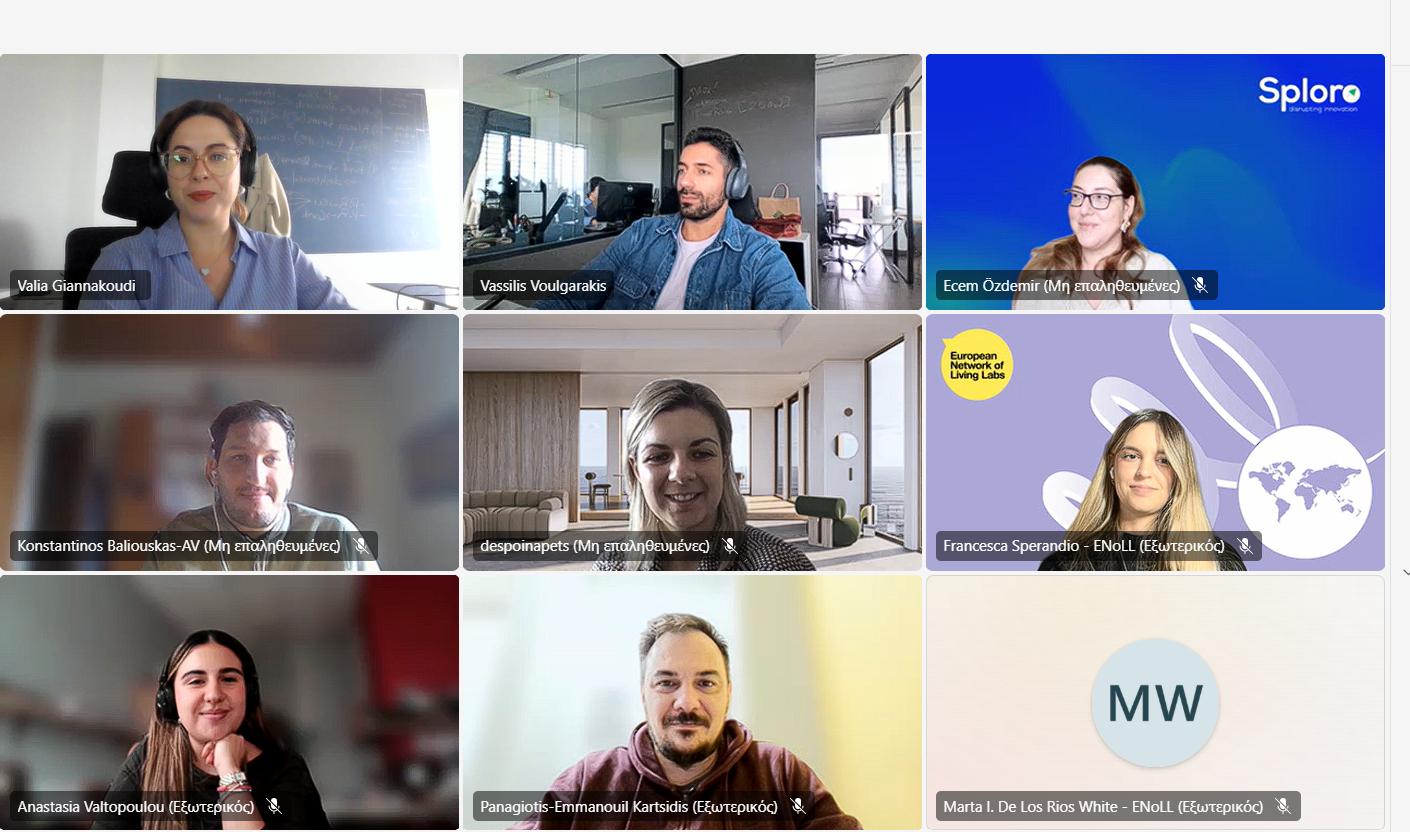
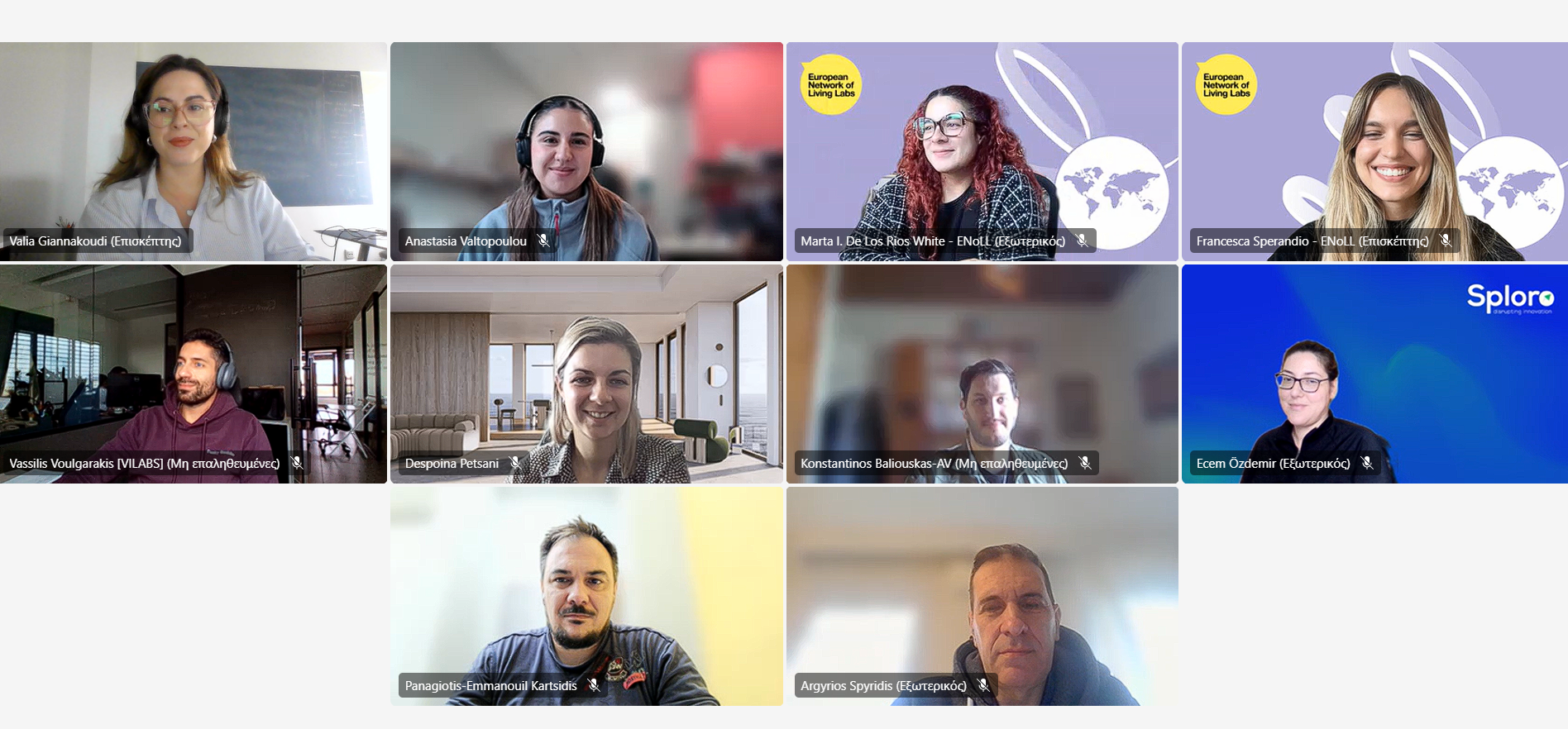
On November 4–5, 2025, the EVOLVE2CARE consortium gathered online for its 3rd Plenary Meeting, marking a key milestone: the conclusion of the project’s first year and the transition into its second and final phase.

This two-day online meeting served as a moment of reflection and strategic alignment. Partners reviewed progress across all areas of the project, celebrated achievements, and laid the groundwork for the next steps — with a clear shift in focus from building foundations to generating impact.

Highlights from the 1st year – Building strong foundations

Over the past year, EVOLVE2CARE has made significant strides in supporting innovation in Transitional Care:

  • Overall, the project has already achieved 9 out of 19 Key Performance Indicators (KPIs) — a strong signal of momentum and engagement. Work is actively underway to reach the remaining targets.
  • The Open Call for HealthTech innovators and Living Labs to collaborate and test digital solutions for Transitional Care scenarios attracted strong interest from EU’s ecosystems.
  • Two full training programs were delivered, featuring 12 webinars designed to empower both Living Labs and HealthTech innovators and researchers. These sessions helped build capacity, foster collaboration, and share practical knowledge across Europe.
  • The Accelup platform has continued to play a central role in the project as the matchmaking space between innovators and Living Labs. During the plenary meeting, partners shared feedback and discussed improvements to enhance its usability and ensure it remains a practical and intuitive place for collaboration.

Looking ahead – From results to impact

As EVOLVE2CARE enters its second year, the focus shifts toward disseminating outcomes, engaging with EU-level events, and contributing to policy dialogues. In fact, the project΄ key aims will revolve around:

  • Disseminating the results of the Open Call, with dedicated communication efforts to highlight the selected mini-projects and their expected impact; and
  • Organizing knowledge-sharing workshops to exchange best practices and insights with stakeholders.

Throughout the meeting, partners emphasized the importance of collaboration — not only within the consortium but also with external stakeholders, regulators, and decision-makers. The project’s second year will focus on turning lessons learned into actionable strategies, supporting the scalability and sustainability of innovations in Transitional Care. EVOLVE2CARE continues to connect people, platforms, and ideas — building a future where health innovation is inclusive, evidence-based, and ready to scale.

EVOLVE2CARE at the 8th Health IT Conference 2025

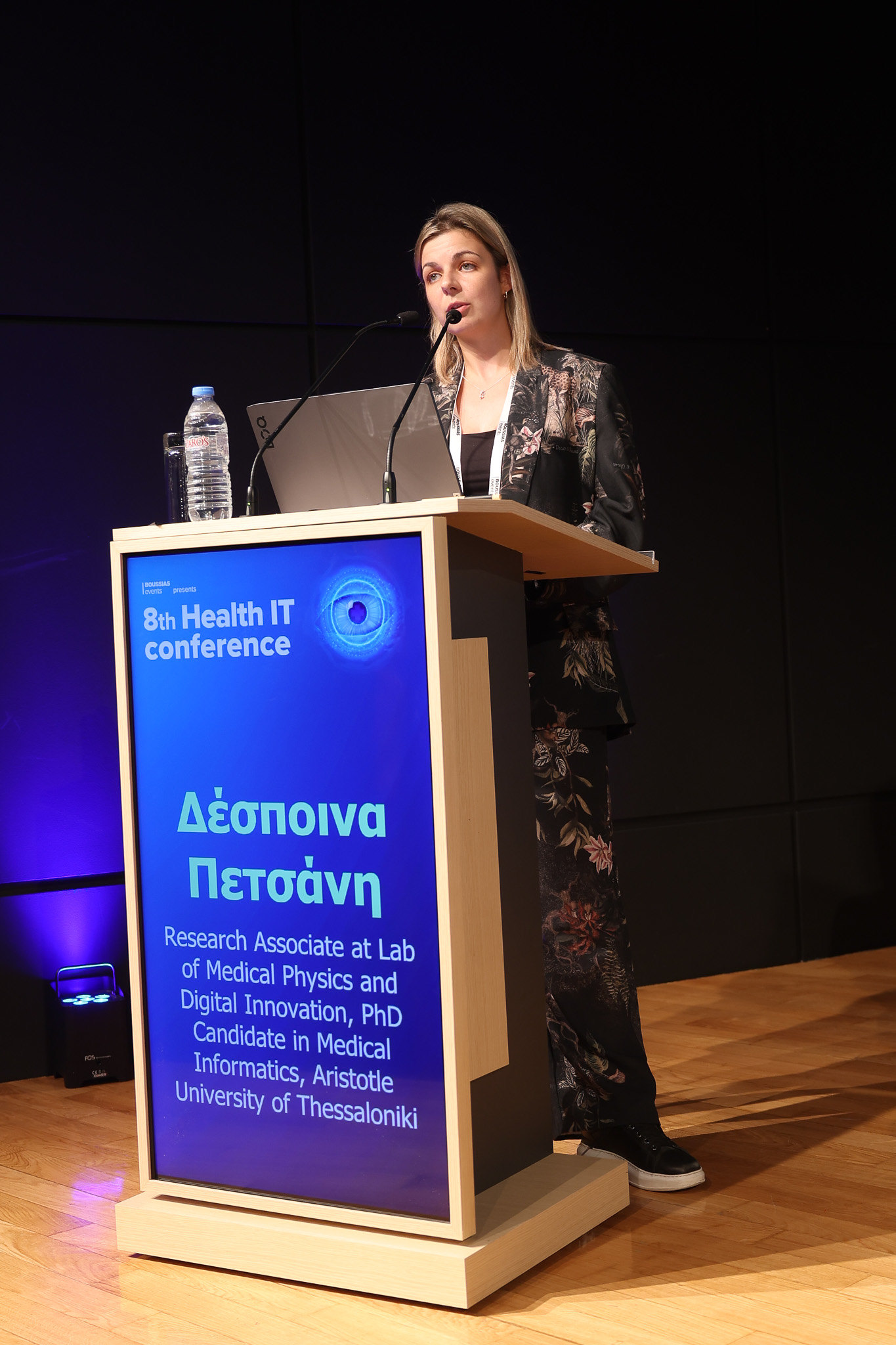
On October 30–31, 2025, EVOLVE2CARE proudly participated in the 8th Health IT Conference, held at the OTE Academy Amphitheater in Athens, Greece. This year’s conference, titled “Designing the Digital Healthcare Ecosystem in the Age of AI”, brought together industry leaders, innovators, Greek national authorities, and research communities to explore how artificial intelligence, data, and modern technologies can transform healthcare and strengthen the National Health System.

EVOLVE2CARE was represented by Despoina Petsani, Project Mission Coordinator, who joined the panel discussion “Innovative Digital Solutions and Modern Health Support Tools” alongside three synergy projects: COMFORTage, IRHIS, and SEARCH. In her presentation, “EVOLVE2CARE: Leveraging the Power of Living Labs for Innovation in Transitional Health Care”, Despoina Petsani highlighted how Living Labs act as enablers of real-world experimentation and multi-stakeholder collaboration, accelerating innovation in Transitional Care.

The conference served as a dynamic platform for open dialogue and collaboration, reinforcing EVOLVE2CARE’s commitment to building a sustainable and innovative future for digital health in Europe.

By presenting its approach, EVOLVE2CARE demonstrated the value of Living Labs as catalysts for innovation in Transitional Care, bridging the gap between technology and patient needs.


EVOLVE2CARE at Deep Tech CEE Summit 2025

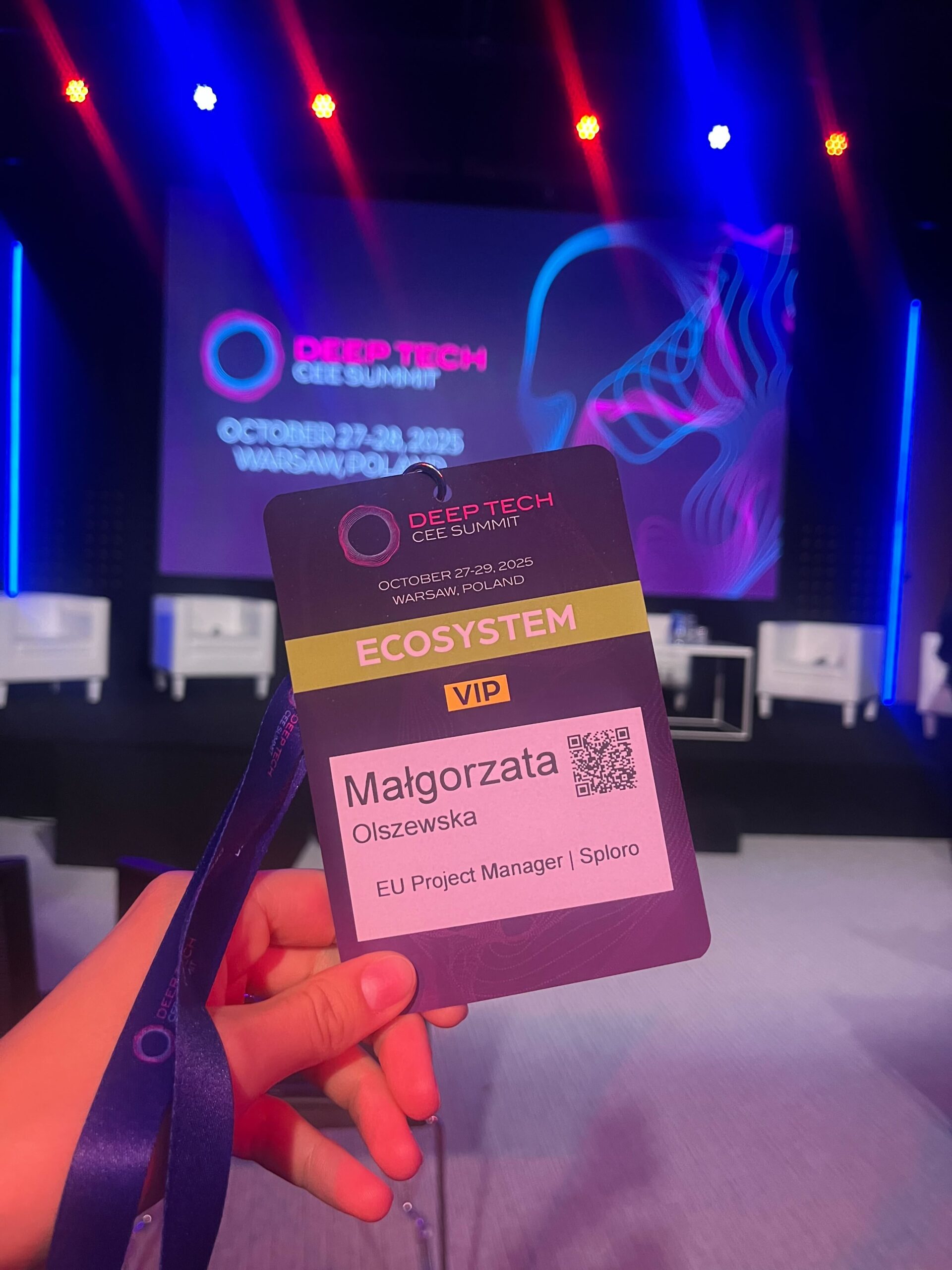
From October 27–29, 2025, the Deep Tech CEE Summit 2025 transformed Warsaw into a vibrant hub of innovation, bringing together over 600 participants from 25+ countries. Founders, startups, investors, and ecosystem leaders gathered to explore the future of Deep Tech across Central and Eastern Europe, showcasing groundbreaking technologies and fostering cross-border collaboration to accelerate innovation.

EVOLVE2CARE was represented by Sploro, with Malgorzata Olszewska onsite actively engaging with innovators and stakeholders. Throughout the Summit, Malgorzata Olszewska introduced the EVOLVE2CARE Open Call, a unique opportunity for HealthTech innovators to collaborate with certified Living Labs and accelerate their digital solutions for Transitional Care scenarios through real-world testing and validation.

With the EVOLVE2CARE Open Call closing on November 6, 2025, the event was a timely occasion to raise awareness among potential applicants from the HealthTech sector. By participating, EVOLVE2CARE strengthened its mission to foster inclusive, human-centric healthcare innovation and connect HealthTech startups with a dynamic European Living Lab network.

From protection to strategy: How HealthTech innovators can leverage IP

The fourth session of the EVOLVE2CARE Training Series for HealthTech Innovators and Researchers took place on 24 July 2025, bringing sharp focus to one of the most essential, and often overlooked, aspects of innovation: intellectual property (IP).

The session, titled “Unlocking IP Value – Protection, Collaboration & AI Innovations,” was led by Yannis Skoulikaris, Founder and Managing Director of PatentMind Netherlands BV, and former Director at the European Patent Office (EPO). PatentMind offers expert guidance based on deep knowledge of software patents, AI innovation, and international patent law.

What is Intellectual Property, and what does it protect?

The session outlined the four types of IP and what they protect:

1. Patents – Protect technical inventions and unique processes or products

Patentable examples include:

  • Algorithms, software methods, if embedded in a technical solution to a technical problem

2. Copyright – Protects code, content, and creative works

Patentable examples include:

  • Source code
  • Manuals
  • Graphics

3. Trademarks – Protect brands, logos and names

Used for:

  • Product names
  • Company logos

4. Trade secrets – Protect confidential information, algorithms and know-how

Includes:

  • Source more
  • Formulas
  • Client lists

The instructor highlighted that Intellectual Property is the secret weapon of innovators for protecting, managing, and unlocking value from their innovation.

Why does it matter?
  • Competitive advantage
  • Company Valuation & Investment
  • Licensing Opportunities
  • Legal defence & Risk mitigation

In the fast-evolving world of tech and AI, strong IP protection is crucial for staying ahead, attracting investors, and safeguarding innovation.

Patents in focus

Patents are one of the most powerful tools to protect and commercialize innovation—especially in HealthTech and AI-driven environments.

What can be patented?

To receive a patent, an idea must be novel and solve a real problem. The specific requirements vary slightly by region:

  • In Europe, the invention must provide a technical solution to a technical problem.
  • In the US, it must offer a useful solution to a practical problem.
Why do patents matter—particularly in tech and AI?
  • They protect your innovations from being copied by competitors.
  • They increase your company’s valuation and attractiveness to investors.
  • They create new licensing and collaboration opportunities.
  • Importantly, patent rights are granted to the applicant, not necessarily the inventor—making early filing and clear agreements essential.
How does the patenting process work?

The pathway from idea to protection follows a clear structure:

  • Search: First, check if your invention is new.
  • Application: File with the relevant patent office.
  • Search/Examination: Patent office reviews your application in an interactive process, involving the applicant.
  • Patent Granted
The power and peril of collaboration in IP

Collaboration is a cornerstone of innovation—but when it comes to Intellectual Property, shared ownership must be managed with clarity and care. Navigating shared IP ownership—whether with co-founders, collaborators, or licensees—requires balancing benefits and risks.

Why collaboration pays

Working with co-founders, collaborators, or licensees can accelerate development and expand your market reach. Benefits include:

  • Shared expertise and resources, fostering deeper innovation
  • Faster time-to-market through increased development capacity
  • Broader visibility via partner distribution and co-marketing channels

The risks without IP agreements

  • Ownership disputes – unclear title can derail projects
  • Usage conflicts – unauthorized use or overlapping commercialization
  • Enforcement issues or gridlock – difficult to license or defend jointly

Key takeaways

  • IP is a critical asset: Proactively identify, protect, and manage your intellectual property
  • Testing Innovation: Know which aspects of your work are eligible for protection
  • Collaboration: Always set clear IP agreements at the start of any partnership
  • AI’s unique IP challenge: Data, algorithms, and AI-generated works require tailored IP strategies
What’s next?

The next session in the EVOLVE2CARE Training Series for HealthTech Innovators and Researchers is titled “Fundraising & Pitching Strategies – An Investor’s Guide for Innovators.” It will feature Adriane Thrash, Managing Partner at Anthology Ventures, as the special speaker.

The session is scheduled to take place on 4 September 2025 at 15:00 CEST and will offer expert insights on how to craft compelling pitches and navigate the fundraising process with confidence. Designed for innovators looking to connect with investors and elevate their ventures, this event is a key opportunity to gain strategic guidance from an industry leader.

Stay tuned as we continue to bridge the gap between innovation and market with practical knowledge for real-world success.

Founder’s lens: Building sustainable HealthTech solutions

The third online session of the EVOLVE2CARE Training Series for Innovators and Researchers took place on 17 July 2025, offering a grounded and insightful look into the entrepreneurial path of a HealthTech founder. Titled “Building a Sustainable HealthTech Business – A Founder’s Journey,” the session was led by Panagiotis Katsaounis, Medical Geneticist and CEO of Metabio, a company pioneering IT solutions for biobanks. 

The session formed part of the six-part EVOLVE2CARE series From User to Market – Faster Validation and Commercialisation for HealthTech Innovators and Researchers, which supports HealthTech innovators working in Transitional Care and Clinical Pathways to accelerate their journey from research to real-world impact.

Why biosamples matter — and Why managing them is hard

Biosamples are a cornerstone of biomedical research and power medical R&D excellence, supporting advancements in diagnostics, drug discovery, genetics and environment.

However, IT systems to manage biosamples and associated data are often inadequate and problematic for researchers; unreliable, leading to poor data harmonization across sources; and limited, failing to capture the historical dimension of biosample usage. As a result, valuable data remains underutilized or inaccessible. 

This challenge laid the groundwork for the creation of Metabio, a next-generation IT platform designed to modernize and integrate the full spectrum of biosample data. By offering real-time access, harmonized metadata, and GDPR/HIPAA-compliant tools, Metabio enables biobanks, researchers and the entire research ecosystem to unlock the true potential of the biosample collections.

Key highlights

Identifying the real value

The instructor described how Metabio emerged from direct experience in the lab, where data quality gaps and outdated biobank IT systems conflicted with cost and time constraints.

Building the business model

Participants were guided through Metabio’s evolution from an idea to a revenue-generating SaaS platform. 

A breakdown of real startup costs revealed a balanced allocation:

  • 35% for team and operations
  • 30% for R&D and clinical validation
  • 20% for sales and marketing
  • 15% for regulatory compliance

This financial transparency highlighted the importance of lean spending, focused prioritization, and resource-efficient scaling.

Practical advice for HealthTech founders

Panagiotis Katsaounis shared several turning points, including a major shift from offering physical infrastructure to delivering modular, interoperable software. He emphasized that being responsive to market feedback and recognizing internal limitations were critical to navigating early-stage uncertainty.

The session closed with a set of key takeaways aimed at helping other innovators design more viable and resilient ventures:

  • Prioritize Speed and Iteration: Avoid over-engineering early on. Launch MVPs quickly rather than chasing perfection.
  • Cultivate deep customer and patient empathy: True innovation starts with understanding. Invest time in interviews, shadowing, and co-creation.
  • Build resilience and a supportive network: Surround yourself with a core team that shares the long-term vision. Replace doubt with determination.

What’s next

The upcoming session “Unlocking IP Value: Protection, Collaboration & AI” on Thursday 24 July, 2025, at 15:00 CEST, will explore how to protect intellectual assets, manage innovation in collaborative environments, and navigate new IP challenges in the age of artificial intelligence.

Stay with us as we continue to equip innovators with the tools to build, scale, and sustain meaningful healthtech solutions—from user to market.

Highlights from the 1st webinar for Living Labs

The first session of “Trainings on Service Design for Living Labs”, held on June 25, 2025, successfully brought together 23 participants for an engaging and insightful webinar titled “The Role of Living Labs in the Innovation Ecosystem.” The session featured five distinguished speakers—Prof. Dr. Dimitri Schuurman,  Senior Research Strategist (ENoLL), Ingrid Adriaensen, Business Manager (LiCalab), Dr. Eva Kehayia (RehabMaLL), Clara G. García Blanch, Pilot Test Manager, (Suara), and Sofía Ballesteros Rodríguez, Social Worker (Fundación INTRAS)—and was facilitated by Marta I. De Los Rios White and Francesca Sperandio from ENoLL.

The discussion began with Prof. Schuurman, who situated Living Labs within broader innovation frameworks, tracing their evolution from the Triple Helix model (government, academia, industry) to the more inclusive Quadruple Helix, which incorporates civil society. He emphasized the strategic role of Living Labs in open innovation, particularly their contributions to value creation, co-creation, and real-life experimentation. He also introduced a framework for navigating complexity across strategic, tactical, and operational levels.

Building on this, he described the importance of anchoring Living Labs in a clear mission and vision—one that addresses long-term partnerships, user needs, and value creation—through an ecosystem-driven approach. Finally, he illustrated how Living Labs function in practice across three layers: multi-actor orchestration at the organizational level, multi-method and real-life experimentation at the project level, and active stakeholder engagement through co-creation and co-design at the activity level—underscoring their dual role in fostering open innovation and empowering user innovation.

Following this, each speaker presented a unique Living Lab case, offering practical insights into how these collaborative environments are driving user-centered innovation across diverse sectors.

Ingrid Adriaensen – LiCalab

Ingrid Adriaensen presented the Living and Care Lab (LiCalab) based in the Province of Antwerp, Belgium, embedded within Thomas More University of Applied Sciences. She explained how LiCalab supports companies in developing and validating care-related innovations by offering a strong user research infrastructure, including a panel of over 1,200 citizens and care professionals, and by leveraging collaborations with hospitals, municipalities, and international networks.

LiCalab focuses on care technology—including e-health, medtech, assistive and communication tools—and innovative models for collaboration in care settings, with a strong emphasis on sustainability, inclusion, and both digital and health literacy. A key example was the ‘Welgerust’ (Well Rested) project, a multi-actor initiative tackling sleep issues through a blended care approach. The solution combines the Moonbird device—which uses biofeedback to guide users through optimal breathing patterns—and tailored psychological support. The project, which targets both adults and children, caregivers, and a local hospital, illustrates how Living Labs can drive user-centered innovation from early-stage development to real-world testing.


Dr. Eva Kehayia – RehabMaLL

Dr. Eva Kehayia (CRIR – Centre for Interdisciplinary Research in Rehabilitation of Greater Montreal) presented the Rehabilitation Living Lab (RehabMaLL), a pioneering initiative promoting full social participation and inclusion for people with disabilities. Situated in a public commercial mall in downtown Montreal, RehabMaLL offers a real-life environment where citizens, researchers, clinicians, policy makers, and community organizations come together to co-design and test socially inclusive innovations. Eva showcased the TeleRehab-GT platform, developed collaboratively with stroke survivors, caregivers, and health professionals to ensure that telerehabilitation tools align with users’ needs and values. The Living Lab fosters innovation through inclusive, interdisciplinary collaboration, combining real-world conditions with simulation spaces, and guided by the core principles of respect, equity, and user empowerment.

The RehabMaLL is a multi-tasking environment that enables users to engage in everyday activities (e.g., shopping, and social interaction) while testing assistive or rehabilitative technologies. This setup allows researchers to evaluate user experiences in dynamic, real-life contexts, increasing the relevance and applicability of innovation outcomes.

Clara G. García Blanch – Suara Social Digital Living Lab

Clara García Blanch presented the work of Suara’s Social Digital Living Lab, which promotes technological and service innovation within one of Spain’s largest social economy cooperatives. The Living Lab is grounded in four core values: a person-centered approach to care and innovation, digital inclusion as a means to reduce inequalities, co-creation with all stakeholders from the outset, and a strong commitment to continuous evaluation, learning, and adaptation.

She explained that Suara delivers a wide range of services tailored to individual needs across the life course—from early childhood to elderly care, including areas such as functional diversity, social inclusion, adult education, and justice.

A key focus of her presentation was the collaboration with Broomx, an immersive technology company. Through this partnership, Suara implements immersive and virtual reality experiences for mindfulness, cognitive stimulation, and recreational purposes in care settings. These interventions support core areas such as well-being, neurorehabilitation, and psychostimulation, particularly benefiting vulnerable or older populations.

Sofía Ballesteros Rodríguez – MINDLab

Sofía Ballesteros presented the work of Fundación INTRAS, a non-profit organisation dedicated to supporting people with mental health conditions, cognitive impairments, and other vulnerabilities. At the core of INTRAS’ innovation strategy is MINDLab, its certified Living Lab and a member of ENoLL. MINDLab acts as a permanent co-creation space supporting innovators through close collaboration with users and professionals. Its intervention scope centres on people with mental health challenges and cognitive decline, and its main competencies include:

  • Cognitive intervention & rehabilitation through new technologies
  • Sensory Stimulation
  • Digital Health
  • Empowering personalized interventions
  • Co-design with users and public involvement
  • Dissemination, knowledge transfer & research networking
  • Digital learning, inclusion, and accessibility
  • Connected Care at home and Independent living solutions

Also, she introduced VIVEMAIS, a cross-border and transdisciplinary initiative funded by the European Union, which aims to promote the design, adoption, and use of assistive technologies (ATs). These technologies are essential tools that enhance the functional capabilities of individuals facing challenges in communication, mobility, memory, and learning.

The session set a solid foundation for the series, sparking meaningful dialogue and offering actionable insights for Living Labs committed to advancing user-centered innovation.

What’s next?

The next session for Living Labs, “Designing Tailored Living Lab Services for Innovators,” will take place on July 9, 2025, at 15:00 CEST, and will introduce service design principles while exploring how Living Labs can create customized services to better support innovators and their specific needs.

Webinar on HealthTech impact with Design Thinking & Living Labs

On June 19, 2025, the EVOLVE2CARE Training Series for HealthTech Innovators and Researchers continued with its second session, gathering over 20 participants for an engaging webinar on “Design Thinking in Action — A Living Lab Approach to HealthTech Innovation.” The session was led by Ioannis Poultourtzidis, Coordinator of the ThessAHALL Living Lab, a pioneering hub for health and wellbeing innovation, driven by the AUTH Lab of Medical Physics and Digital Innovation based in Northern Greece since 2014.

This insightful session offered a practical look at how Living Labs, when combined with Design Thinking, can empower researchers and innovators to build HealthTech solutions that are ethical, inclusive, and truly responsive to user needs. It addressed one of the core challenges in health innovation: too many technologies are developed without real-world validation. Living Labs help address this challenge by involving real users in real contexts, enabling co-creation and testing that lead to more relevant and usable solutions.

The 3-Step framework for impactful HealthTech innovation

At the core of the session was a practical 3-step framework developed to accelerate HealthTech solutions:

  • Understand

Innovation begins with an in-depth exploration of user needs, challenges, and environments. This phase involves stakeholder mapping, needs assessment, and early framing of design hypotheses. Living Labs enable immersion into users’ real-life settings — homes, clinics, and communities — without artificial filters. Special attention is given to capturing gender-sensitive and inclusive insights, ensuring solutions reflect the full diversity of users.

  • Engage

This step focuses on co-creation with all relevant stakeholders — patients, caregivers, clinicians, policy-makers, insurers, and technologists. Rather than gathering feedback after development, Living Labs bring stakeholders into the design process itself through co-design workshops, design sprints, and digital collaboration platforms. This inclusive, participatory model ensures that the solutions developed are relevant, feasible, and widely accepted. Innovation thrives on collaboration!

  • Build for impact

The final step emphasizes rapid prototyping, real-world testing, and iteration. Living Labs allow innovators to trial functional prototypes directly with users in authentic environments. This accelerates learning, reduces development risks, and ensures technical and business feasibility. The process supports agile development by turning insights into measurable outcomes, such as improved health, increased usability, and meaningful adoption

Innovation journey – 4 Phases

Living Lab Networks guide innovators through each of the four phases: design, technology, business, and impact.

Design: Human-centered design frames the solution based on desirability and real needs

Technology: Prototypes are tested for technical feasibility within Living Lab environments

Business: Viable business models are validated, considering cost, sustainability, and market fit

Impact: Solutions are evaluated on outcomes such as improved patient care, usability, and long-term value

This journey ensures that innovation is not just about new technology, but about developing sustainable, scalable solutions that create measurable value for healthcare systems and the people they serve.

Why Living Labs matter in HealthTech?

Living Labs offer a unique environment to design with, not just for, users by:

  • Providing access to diverse populations in natural settings
  • Capturing real-time feedback and behavioral insights
  • Helping de-risk innovation by validating usability and integration early
  • Supporting ethical, GDPR-compliant, and inclusive research practices

What’s next in the EVOLVE2CARE training sessions series for HealthTech Innovators and Researchers?

The next session in the series, “Building a Sustainable HealthTech Business – A Founder’s Journey,” will take place on July 17, 2025, at 15:00 CEST. Participants will have the opportunity to hear from Panagiotis Katsaounis, CEO of Metabio, as he shares the real-world story of growing a HealthTech startup from idea to validated solution. The session will explore key business decisions, unexpected challenges, and the strategic pivots that shaped the company’s journey, offering a grounded look into the entrepreneurial side of healthcare innovation.